

Hey there! I'm a supplier of galvanized steel coils, and let me tell you, the production process is pretty complex. One of the major headaches we face is dealing with the waste generated during production. But don't worry, I've got some solid strategies to handle this issue, and I'm gonna share them with you in this blog.

First off, let's understand what kind of waste we're talking about. During the production of galvanized steel coils, there are mainly three types of waste: zinc ash, zinc slag, and pickling waste liquid. Zinc ash and zinc slag are formed when zinc is heated and oxidized in the galvanizing process. The pickling waste liquid, on the other hand, is a by - product of the surface treatment step, where steel coils are cleaned with acid to remove rust and impurities.
So, how do we deal with zinc ash and zinc slag? Well, the first step is to collect them properly. We've set up a dedicated collection system in our factory. All the zinc ash and slag are gathered in special containers right at the source of generation. This helps us prevent them from spreading around the factory floor and causing more mess.
Once we've collected them, we have two main options for recycling. One way is to send them back to the zinc smelter. Zinc ash and slag still contain a significant amount of zinc, and smelters can extract this zinc and reuse it. It's a win - win situation. We get rid of the waste, and the smelters get a valuable raw material. Another option is to use them in the production of zinc - based products, like zinc oxide. Zinc oxide has a wide range of applications, such as in the rubber, paint, and ceramics industries.
Now, let's talk about the pickling waste liquid. This stuff is a bit more tricky to handle because it's highly acidic and contains heavy metals like iron. But we've come up with some effective methods. The first thing we do is neutralize the acid in the waste liquid. We use alkaline substances like lime or sodium hydroxide to bring the pH level up to a more neutral range. This not only makes the waste liquid less corrosive but also helps in the precipitation of heavy metals.
After neutralization, we use a process called sedimentation. The waste liquid is left in large settling tanks for a certain period. During this time, the heavy metal precipitates settle at the bottom of the tank, and the clearer liquid on top can be further treated. We then filter the liquid to remove any remaining solid particles. The filtered liquid can be reused in the pickling process after some adjustments, which significantly reduces our water consumption and waste generation.
The heavy metal sludge that we collect from the sedimentation process also needs to be dealt with properly. We send it to a specialized waste treatment facility. These facilities have the expertise and equipment to extract valuable metals from the sludge and dispose of the remaining waste in an environmentally friendly way.
In addition to these waste - handling methods, we also focus on waste reduction at the source. We've optimized our production process to minimize the generation of waste. For example, we've improved the temperature control in the galvanizing bath, which reduces the formation of zinc ash and slag. We've also upgraded our pickling equipment to make the pickling process more efficient, using less acid and generating less waste liquid.
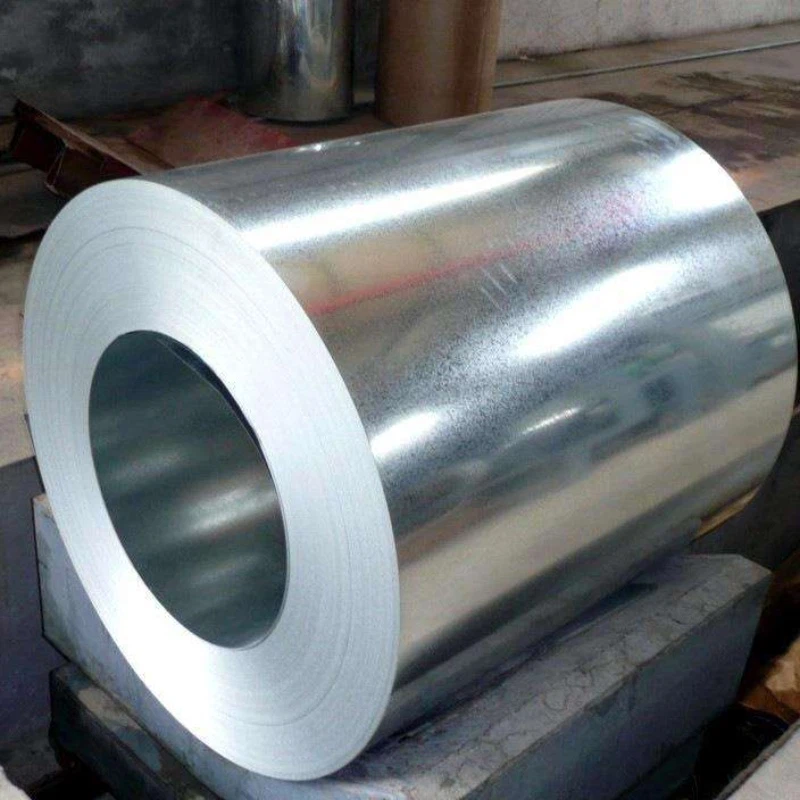
Now, I want to introduce you to some of our high - quality galvanized steel coils. We offer SGCC Galvanized Steel Coil, which is widely used in various industries due to its excellent corrosion resistance and formability. Our ASTM A653 Galvanized Steel Coil meets the strict ASTM standards, ensuring high - quality and reliable performance. And if you're looking for a unique appearance, our Regular Spangle galvanized steel coils have a beautiful, spangled surface that adds an aesthetic touch to your projects.
If you're in the market for galvanized steel coils and want to learn more about our products or discuss your specific requirements, don't hesitate to reach out. We're always ready to have a chat and see how we can meet your needs. Whether it's about the quality of our products or our waste - handling practices, we're happy to answer all your questions.
In conclusion, handling the waste generated during the production of galvanized steel coils is a challenging but manageable task. By using proper collection, recycling, and reduction methods, we can minimize the environmental impact of our production process while still providing high - quality products. So, if you're interested in working with a responsible and reliable galvanized steel coil supplier, give us a shout!
References
- Environmental Protection Agency. (2023). Waste Management Guidelines for Metal Manufacturing Industries.
- Smith, J. (2022). Recycling and Reuse of Zinc - Based Wastes in the Galvanizing Industry. Journal of Industrial Waste Management.
- Brown, A. (2021). Optimization of Pickling Processes to Reduce Waste Generation in Steel Production. International Journal of Sustainable Manufacturing.