

Hey there! I'm a supplier of GI sheets, and I know how crucial it is to ensure the quality of the zinc coating on these sheets. In this blog, I'll share some practical ways to test the zinc coating on GI sheets.
Why Testing the Zinc Coating Matters
First off, let's talk about why we even need to test the zinc coating. Zinc coating on GI sheets acts as a protective layer. It prevents the steel underneath from rusting and corroding, which significantly extends the lifespan of the sheets. Whether you're using Galvanized Roofing Material for a roofing project or Galvanized Corrugated Metal Roofing Sheet for a more decorative look, a proper zinc coating is essential. And if you're into GI Tile Roof, well, you definitely don't want that roof to start rusting after a few years.
Visual Inspection
The simplest way to start testing the zinc coating is through a visual inspection. Just take a good look at the GI sheet. A high - quality zinc coating should be uniform in color. It should have a smooth and shiny surface. If you see any areas that look dull, have a different color, or have spots, it could be a sign of a poor zinc coating.
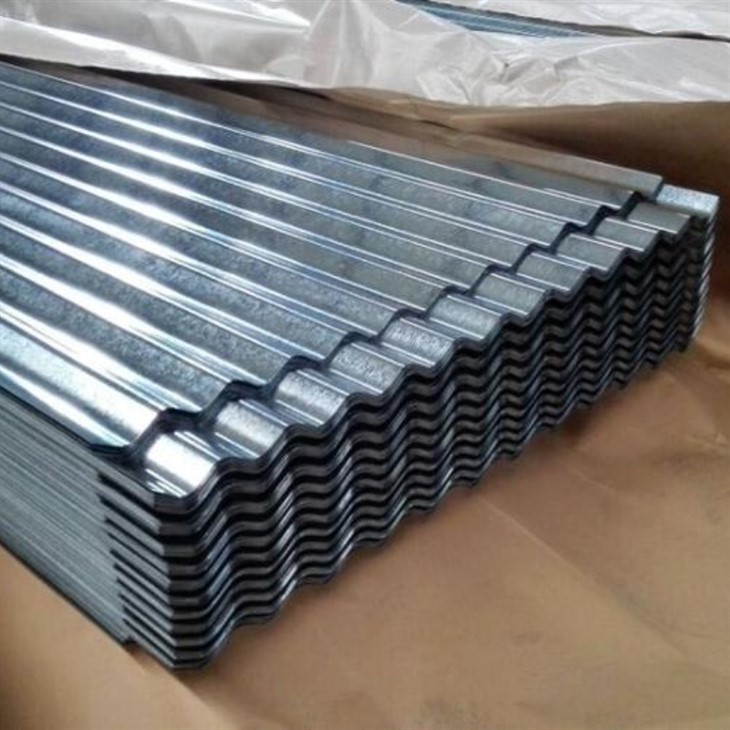

Sometimes, you might notice white or grayish patches on the surface. These are called white rust, which is an early stage of corrosion. White rust usually forms when the zinc coating is damaged or if the sheet has been stored in a humid environment. If you find white rust on the sheet, it's a red flag that the zinc coating might not be as good as it should be.
Thickness Measurement
One of the most important aspects of the zinc coating is its thickness. A thicker zinc coating generally means better protection. There are a few ways to measure the thickness of the zinc coating.
Magnetic Thickness Gauge
This is a handy tool that's commonly used. It works based on the magnetic properties of the steel and the non - magnetic nature of the zinc coating. You simply place the gauge on the surface of the GI sheet, and it will give you a reading of the coating thickness.
To use it properly, make sure the surface of the sheet is clean. Any dirt, oil, or debris can affect the accuracy of the measurement. Also, take multiple readings at different points on the sheet. The coating thickness can vary across the surface, so getting an average of several readings will give you a more accurate picture.
Microscopic Examination
For a more detailed analysis, you can use a microscope. This method is a bit more complex and usually requires a laboratory setting. You take a small sample of the GI sheet and prepare it for microscopic examination.
Under the microscope, you can see the structure of the zinc coating. You can check for things like the presence of pores or cracks in the coating. Pores and cracks can allow moisture and oxygen to reach the steel underneath, leading to corrosion. A good zinc coating should be dense and free of such defects.
Adhesion Test
The adhesion of the zinc coating to the steel substrate is also very important. If the coating doesn't adhere well, it can peel off easily, leaving the steel exposed to the elements.
Tape Test
This is a simple adhesion test that you can do on - site. You take a piece of adhesive tape and firmly press it onto the surface of the GI sheet. Then, you quickly pull the tape off at a 90 - degree angle.
If some of the zinc coating comes off with the tape, it means the adhesion is poor. A good zinc coating should stay firmly attached to the steel, and no coating should be removed by the tape.
Bend Test
Another way to test adhesion is by doing a bend test. You take a small sample of the GI sheet and bend it at a specific angle. For example, you can bend it 180 degrees.
After bending, check the bent area. If the zinc coating cracks or peels off in the bent area, it indicates that the adhesion is not up to par. A well - adhered zinc coating should be able to withstand the bending without significant damage.
Chemical Analysis
Chemical analysis can provide more in - depth information about the zinc coating. It can tell you the composition of the coating and if there are any impurities.
X - ray Fluorescence (XRF)
XRF is a non - destructive method of chemical analysis. It uses X - rays to excite the atoms in the zinc coating, and then measures the energy of the emitted X - rays. This allows you to determine the elemental composition of the coating.
You can use a portable XRF analyzer on - site. It gives you quick results and can tell you if there are any elements other than zinc in the coating. Impurities in the coating can affect its performance and durability.
Wet Chemical Analysis
Wet chemical analysis is a more traditional method. It involves dissolving a small sample of the zinc coating in a chemical solution and then analyzing the solution to determine the amount of zinc and other elements.
This method is more accurate but also more time - consuming and requires a laboratory setup. It's usually used when you need very precise information about the coating composition.
Conclusion
Testing the zinc coating on GI sheets is a multi - step process. By using a combination of visual inspection, thickness measurement, adhesion testing, and chemical analysis, you can get a comprehensive understanding of the quality of the zinc coating.
As a GI sheet supplier, I always make sure that the sheets I provide meet high - quality standards. I test every batch of sheets using these methods to ensure that my customers get the best products.
If you're in the market for high - quality GI sheets, whether it's for Galvanized Roofing Material, Galvanized Corrugated Metal Roofing Sheet, or GI Tile Roof, don't hesitate to reach out for a purchase negotiation. I'm here to provide you with the best products and services.
References
- ASTM International. (Year). Standard test methods for measuring thickness of metallic coatings. ASTM.
- ISO (International Organization for Standardization). (Year). ISO standards related to zinc coating on steel sheets. ISO.