

Hey there! As a supplier of galvanized steel coils, I've seen firsthand how the thickness of the zinc coating can make or break the performance of these products. In this blog post, I'm gonna dive deep into how the zinc coating thickness impacts the galvanized steel coil, and why it matters to you.
Understanding Galvanized Steel Coils
Before we get into the nitty - gritty of zinc coating thickness, let's quickly go over what galvanized steel coils are. Galvanized steel is regular steel that's been coated with a layer of zinc to protect it from corrosion. This process, called galvanization, can be done in a few different ways, but the most common method is hot - dip galvanizing, where the steel is dipped into a bath of molten zinc.
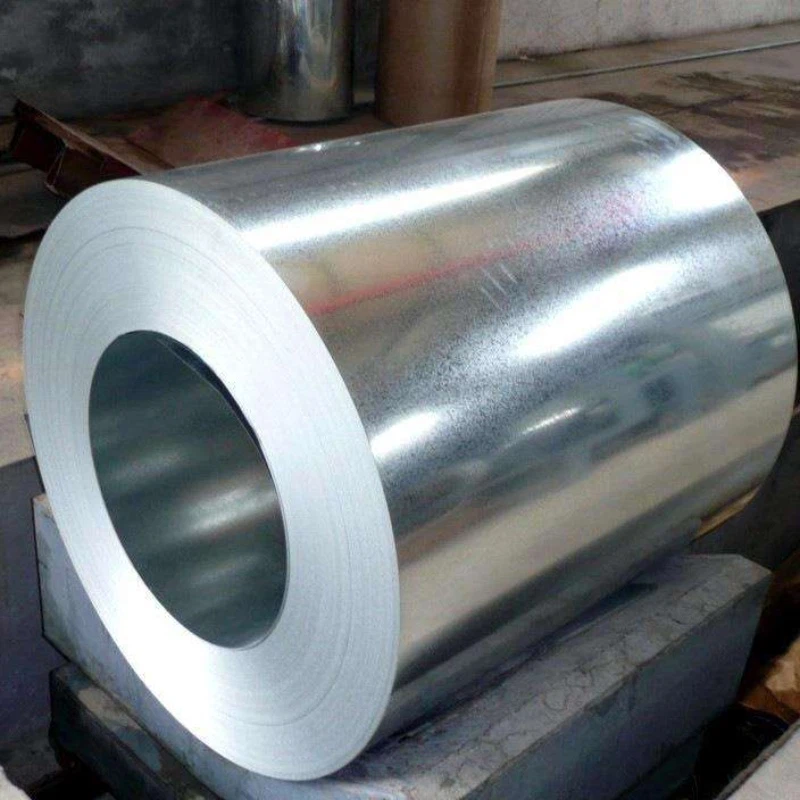
Galvanized steel coils are super versatile and are used in a wide range of applications, from construction and automotive to household appliances. They're popular because they're durable, cost - effective, and have good corrosion resistance. You can check out Regular Spangle, SGCC Galvanized Steel Coil, and ASTM A653 Galvanized Steel Coil for different types of galvanized steel coils we offer.
The Role of Zinc Coating Thickness
Corrosion Resistance
The most obvious impact of zinc coating thickness is on corrosion resistance. Zinc acts as a sacrificial anode, which means it corrodes before the underlying steel. A thicker zinc coating provides more material to corrode, which in turn extends the lifespan of the steel.
In environments with high humidity, saltwater exposure, or industrial pollution, a thicker zinc coating is crucial. For example, if you're using galvanized steel coils for outdoor construction in a coastal area, a thin coating might not last long. The salt in the air and water will quickly eat away at the zinc, leaving the steel vulnerable to rust. On the other hand, a thicker coating can withstand these harsh conditions for much longer.
Mechanical Properties
The thickness of the zinc coating can also affect the mechanical properties of the galvanized steel coil. A very thick coating might make the steel a bit stiffer, which could be a problem if you need to bend or form the coil. When you try to bend a coil with a thick coating, there's a higher chance of the zinc coating cracking or flaking off. This not only looks bad but also exposes the steel to corrosion.
On the flip side, a thin coating is more flexible. It can better withstand the stresses of bending and forming without significant damage. So, if your application requires a lot of shaping, a thinner coating might be the way to go.
Appearance
The appearance of the galvanized steel coil is also influenced by the zinc coating thickness. A thicker coating tends to have a more pronounced spangle pattern. Spangles are those shiny, crystalline patterns on the surface of the galvanized steel. Some people really like the look of a large, well - defined spangle, while others prefer a more uniform, matte finish.
A thinner coating usually results in a smoother, less spangled appearance. This can be desirable for applications where aesthetics are important, like in some architectural or decorative uses.
Factors Affecting Zinc Coating Thickness
Production Process
The method used to apply the zinc coating plays a big role in determining its thickness. In hot - dip galvanizing, the immersion time in the molten zinc bath and the temperature of the bath can be adjusted to control the coating thickness. Longer immersion times and higher bath temperatures generally result in thicker coatings.
Application Requirements
The intended use of the galvanized steel coil also dictates the appropriate coating thickness. For applications where the steel will be exposed to mild conditions, like indoor use in a dry environment, a thinner coating might be sufficient. But for applications in harsh environments, such as bridges in industrial areas or offshore structures, a thicker coating is necessary.
Choosing the Right Zinc Coating Thickness
So, how do you decide on the right zinc coating thickness for your project? Well, it all comes down to your specific requirements. Here are some things to consider:
Environment
Think about where the galvanized steel coil will be used. If it's in a corrosive environment, go for a thicker coating. If it's in a mild environment, a thinner coating will save you some money.
Forming and Fabrication
If you need to bend, cut, or weld the coil, a thinner coating will be more forgiving. Thicker coatings can cause problems during these processes.

Aesthetics
If the appearance of the finished product matters, consider the spangle pattern and finish that different coating thicknesses offer.
Our Expertise as a Supplier
As a supplier of galvanized steel coils, we've got the knowledge and experience to help you choose the right coating thickness for your needs. We understand that every project is unique, and we're here to provide you with the best - suited products.
We work closely with our customers to understand their requirements and offer customized solutions. Whether you need a thin - coated coil for a decorative project or a thick - coated one for a heavy - duty application, we've got you covered.
Conclusion
The thickness of the zinc coating on a galvanized steel coil is a critical factor that affects its corrosion resistance, mechanical properties, and appearance. There's no one - size - fits - all solution when it comes to choosing the right coating thickness. It depends on your specific application, the environment it will be used in, and your aesthetic preferences.
If you're in the market for galvanized steel coils and need help deciding on the right zinc coating thickness, don't hesitate to reach out. We're here to assist you in making the best choice for your project. Let's start a conversation and see how we can work together to meet your needs.
References
- Jones, D. A. (2018). Principles and Prevention of Corrosion. Routledge.
- ASM International. (2017). Galvanizing: A Guide to Hot - Dip Galvanizing. ASM International.