

Hey there! As a supplier of GI sheets, I often get asked about how durable these sheets are when used outdoors. Well, let's dive right into it and explore the ins and outs of the durability of GI sheets in outdoor conditions.
What Exactly is a GI Sheet?
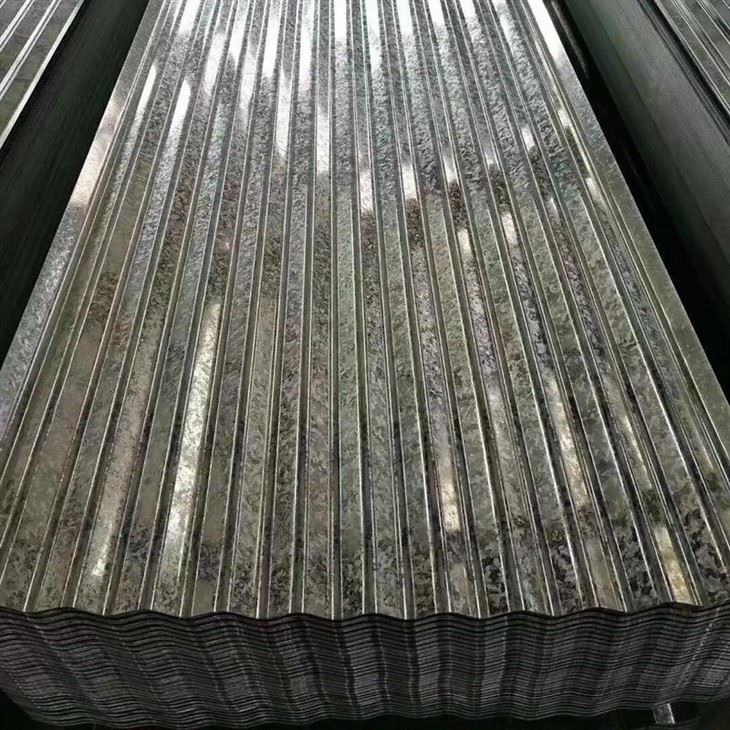
First things first, let's quickly cover what a GI sheet is. GI stands for Galvanized Iron. These sheets are made by coating iron or steel with a layer of zinc through a process called galvanization. The zinc coating acts as a protective barrier, preventing the underlying metal from rusting and corroding. This makes GI sheets a popular choice for a wide range of outdoor applications, from roofing to fencing and more.
Factors Affecting the Durability of GI Sheets Outdoors
There are several factors that can impact how long a GI sheet will last when exposed to the elements. Let's take a look at some of the most important ones.
1. Climate
The climate in which the GI sheets are installed plays a huge role in their durability. In areas with high humidity, such as coastal regions, the sheets are more likely to be exposed to moisture, which can accelerate the corrosion process. On the other hand, in dry and arid climates, the sheets may last longer as there is less moisture in the air. Extreme temperatures, both hot and cold, can also have an impact. For example, rapid temperature changes can cause the metal to expand and contract, which may eventually lead to the zinc coating cracking and exposing the underlying metal.
2. Air Pollution
Polluted air can contain chemicals and particles that can damage the zinc coating on GI sheets. In industrial areas or cities with high levels of air pollution, the sheets may be exposed to sulfur dioxide, nitrogen oxides, and other harmful substances. These pollutants can react with the zinc coating, causing it to break down more quickly and leaving the metal vulnerable to rust.
3. Exposure to Saltwater
If the GI sheets are installed near the ocean or in areas where they are exposed to saltwater spray, they are at a higher risk of corrosion. Saltwater is highly corrosive and can quickly eat away at the zinc coating. This is why you often see signs of rust on metal structures near the beach.
4. Quality of the Galvanization
Not all GI sheets are created equal. The quality of the galvanization process can vary from one manufacturer to another. A high-quality galvanized coating will be thicker and more uniform, providing better protection against corrosion. When choosing GI sheets for outdoor use, it's important to look for sheets that have been galvanized to industry standards.
How Long Can You Expect GI Sheets to Last Outdoors?
On average, a well-galvanized GI sheet can last anywhere from 20 to 50 years in outdoor conditions. However, this is just a rough estimate, and the actual lifespan can vary depending on the factors mentioned above. In ideal conditions, with low humidity, clean air, and minimal exposure to saltwater, the sheets may last closer to 50 years. In more challenging environments, such as coastal areas or industrial zones, the lifespan may be closer to 20 years or even less.
Ways to Extend the Durability of GI Sheets Outdoors
If you want to get the most out of your GI sheets and ensure they last as long as possible, there are a few things you can do.
1. Regular Inspections
Regularly inspect your GI sheets for signs of damage or corrosion. Look for any areas where the zinc coating may be cracked, chipped, or missing. If you notice any issues, it's important to address them as soon as possible to prevent further damage.
2. Cleaning
Keep your GI sheets clean by washing them periodically with a mild detergent and water. This will help remove any dirt, debris, or pollutants that may be accumulating on the surface. Avoid using abrasive cleaners or tools that could scratch the zinc coating.
3. Coating
Consider applying a Galvanized Roof Coating to your GI sheets. A good quality coating can provide an additional layer of protection against the elements and help extend the lifespan of the sheets.
4. Proper Installation
Make sure the GI sheets are installed correctly. Improper installation can lead to issues such as water pooling, which can increase the risk of corrosion. Follow the manufacturer's instructions and use the appropriate fasteners and sealants.
Applications of GI Sheets Outdoors
GI sheets are incredibly versatile and can be used in a variety of outdoor applications. Here are some of the most common ones.
1. Roofing
GI sheets are a popular choice for roofing due to their durability and affordability. They can withstand harsh weather conditions, including heavy rain, snow, and strong winds. Check out GI Sheet Required For Roofing for more information on using GI sheets for roofing.
2. Fencing
GI sheets can be used to create sturdy and long-lasting fences. They provide a high level of security and can be customized to fit your specific needs.
3. Siding
For exterior siding, GI sheets offer a modern and stylish look. They are also resistant to damage from pests and the elements.
4. Agricultural Structures
In the agricultural industry, GI sheets are often used to build barns, sheds, and other structures. They can protect equipment and livestock from the weather.
Conclusion
In conclusion, the durability of GI sheets in outdoor conditions depends on a variety of factors, including climate, air pollution, exposure to saltwater, and the quality of the galvanization. With proper care and maintenance, these sheets can last for several decades, making them a cost-effective and reliable choice for outdoor applications.

If you're in the market for high-quality GI sheets for your outdoor project, I'd love to help. Whether you need sheets for roofing, fencing, or any other application, we have a wide range of options to choose from. Don't hesitate to reach out and start a conversation about your specific needs. We can provide you with detailed information, samples, and competitive pricing. Let's work together to ensure your project is a success!
References
- ASTM International. (2021). Standard Specification for Zinc‐Coated (Galvanized) Steel Sheet, by the Hot‐Dip Process.
- NACE International. (2018). Corrosion Basics: An Introduction.