

Hey there! As a supplier of GI sheets, I've had my fair share of chats with folks looking for the best materials for their projects. One question that pops up a lot is, "What's the cost - effectiveness of GI sheets compared to other materials?" Well, let's dive right in and break it down.
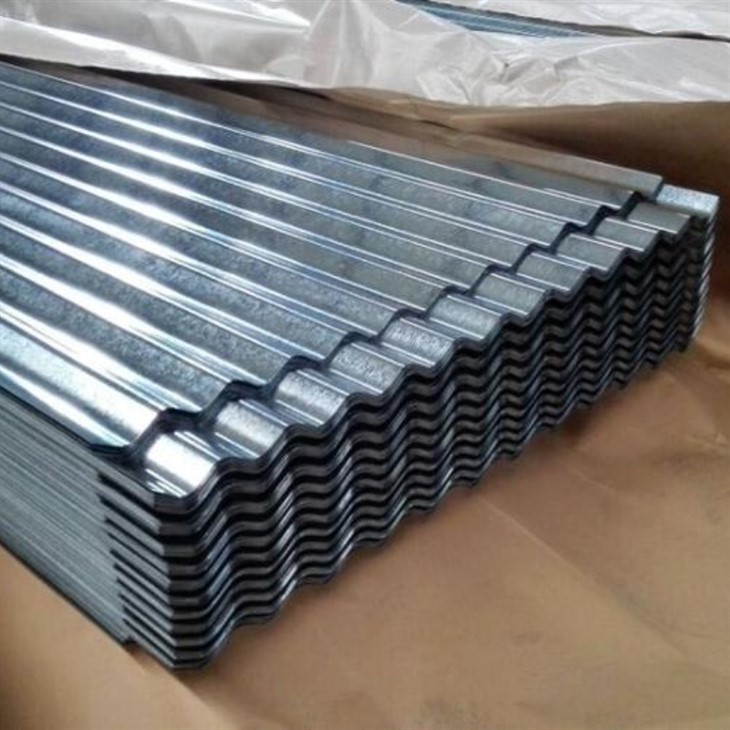
First off, what are GI sheets? GI stands for Galvanized Iron. These sheets are made by coating iron or steel with a layer of zinc. This zinc coating acts as a protective shield, preventing rust and corrosion. It's like giving your metal a suit of armor!
Now, let's talk cost. When you're in the market for building materials, price is always a big factor. GI sheets are generally quite affordable. The initial cost of purchasing GI sheets is often lower compared to some other roofing and construction materials. For example, if you're looking at copper sheets, they can be extremely expensive right off the bat. Copper is a high - end material, and its price reflects that. On the other hand, GI sheets offer a budget - friendly option without sacrificing too much on quality.
But cost - effectiveness isn't just about the upfront price. It's also about how long the material lasts and how much maintenance it requires over time. GI sheets are known for their durability. Thanks to that zinc coating, they can withstand harsh weather conditions, including rain, snow, and strong winds. This means you won't have to replace them as often as some other materials.
Let's take a look at wood as an example. Wood can be a beautiful and natural option for roofing or siding. However, it's prone to rot, termite damage, and warping. You'll likely need to treat the wood regularly to keep it in good condition, and eventually, it will need to be replaced. With GI sheets, you don't have to worry about these issues as much. The zinc coating provides long - term protection, reducing the need for frequent maintenance and replacement.
Another aspect to consider is installation cost. GI sheets are relatively easy to install. They're lightweight compared to some other materials, like concrete tiles. This makes them easier to handle and transport, which can save you money on labor costs. When you hire a contractor to install your roofing or siding, they'll appreciate the ease of working with GI sheets, and you'll appreciate the lower installation bill.
Now, let's talk about the different applications of GI sheets. One of the most common uses is for roofing. GI Tile Roof is a popular option. These sheets are designed to mimic the look of traditional tiles, but they offer the benefits of GI material. They're strong, durable, and cost - effective. You get the aesthetic appeal of tiles without the high cost and heavy weight.
If you're looking for a more basic roofing solution, Roofing Sheets Galvanised are a great choice. These sheets are simple, yet effective. They provide reliable protection against the elements and are easy to install. Whether you're building a small shed or a large commercial building, galvanized roofing sheets can get the job done.
For larger projects, 20 Ft Galvanized Steel Corrugated Roof Panel might be the way to go. The corrugated design adds extra strength to the sheets, making them suitable for covering large areas. They're also available in longer lengths, which can reduce the number of joints and seams, further enhancing their durability.
When comparing GI sheets to other materials, it's important to consider environmental factors as well. GI sheets are recyclable. At the end of their lifespan, they can be melted down and reused to make new products. This is a big plus in today's environmentally - conscious world. Some other materials, like certain types of plastic or composite materials, may not be as easily recyclable.
However, it's not all sunshine and rainbows. GI sheets do have some drawbacks. One of the main concerns is that over time, the zinc coating can wear off, especially in areas with high levels of pollution or saltwater exposure. When this happens, the underlying iron or steel can start to rust. But this can be mitigated by proper maintenance and, in some cases, additional coatings.

Another potential issue is noise. When it rains, GI sheets can be quite noisy compared to some other roofing materials. However, there are ways to reduce this noise, such as adding insulation between the sheets and the ceiling.
In conclusion, the cost - effectiveness of GI sheets is quite impressive. They offer a good balance between upfront cost, long - term durability, and ease of installation. While they do have some drawbacks, these can often be managed with proper care and planning. If you're in the market for roofing or construction materials, I highly recommend considering GI sheets.
If you're interested in learning more about our GI sheets or are ready to start a project, I'd love to have a chat with you. Just reach out, and we can discuss your specific needs and how GI sheets can be the perfect solution for you.
References
- General knowledge from the construction and building material industry
- Experience as a GI sheet supplier