

Galvanized steel coil is a popular choice in various industries due to its excellent corrosion resistance and durability. As a supplier of galvanized steel coil, I understand the importance of maintaining its appearance to ensure long - term performance and aesthetic appeal. In this blog post, I'll share some practical tips on how to maintain the appearance of galvanized steel coil.
1. Understanding Galvanized Steel Coil
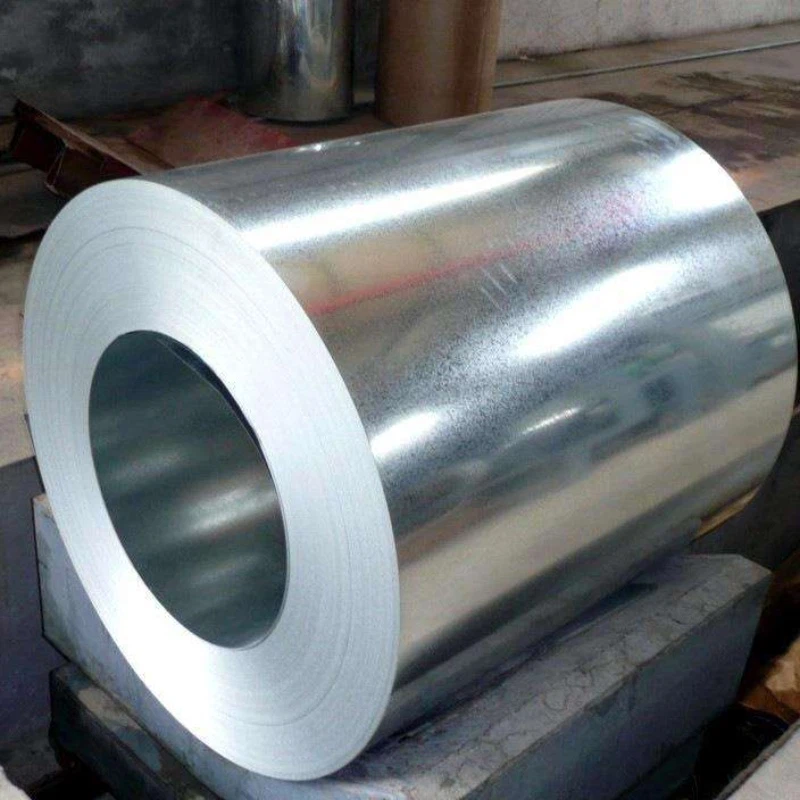
Before delving into maintenance, it's essential to have a basic understanding of galvanized steel coil. Galvanization is a process of coating steel with a layer of zinc to protect it from rust and corrosion. There are different types of galvanized steel coils available in the market, such as Regular Spangle, FS Grade Hot Dipped Galvanized Steel Coil, and DX51D Galvanized Steel. Each type has its own characteristics and applications, but they all share the common goal of providing protection to the underlying steel.

2. Proper Storage
The first step in maintaining the appearance of galvanized steel coil is proper storage. When storing galvanized steel coils, it's crucial to keep them in a dry, well - ventilated area. Moisture is one of the biggest enemies of galvanized steel as it can cause the zinc coating to corrode over time.
- Avoid Ground Contact: Store the coils on pallets or racks to prevent direct contact with the ground. The ground can retain moisture, which may transfer to the coils and lead to corrosion.
- Protect from Rain and Snow: If the coils are stored outdoors, use waterproof covers to protect them from rain, snow, and other forms of precipitation. Make sure the covers are properly secured to prevent water from seeping in.
- Separate from Other Metals: Galvanized steel can react with other metals, especially those that are more noble, through a process called galvanic corrosion. Therefore, it's important to store galvanized steel coils separately from other metals to avoid this type of corrosion.
3. Handling with Care
Proper handling during transportation and installation is also crucial for maintaining the appearance of galvanized steel coil.
- Use Appropriate Lifting Equipment: When lifting the coils, use equipment such as cranes with soft slings to prevent scratching the zinc coating. Scratches can expose the underlying steel to the environment, increasing the risk of corrosion.
- Avoid Rough Surfaces: During transportation and installation, make sure the surfaces that come into contact with the coils are smooth and free of sharp edges. Rough surfaces can cause abrasions on the zinc coating, compromising its protective properties.
- Handle with Gloves: When handling the coils, wear gloves to prevent fingerprints and sweat from coming into contact with the surface. Fingerprints and sweat can contain salts and acids that may corrode the zinc coating over time.
4. Regular Cleaning
Regular cleaning is an effective way to maintain the appearance of galvanized steel coil.
- Use Mild Detergents: For general cleaning, use a mild detergent mixed with water. Avoid using abrasive cleaners or solvents, as they can damage the zinc coating. Gently scrub the surface of the coils with a soft sponge or cloth, then rinse thoroughly with clean water.
- Remove Debris Promptly: If there is any debris, such as dirt, leaves, or bird droppings, on the surface of the coils, remove it as soon as possible. Debris can trap moisture and promote the growth of mold and mildew, which can damage the zinc coating.
- Rinse After Exposure to Chemicals: If the galvanized steel coils have been exposed to chemicals, such as acid rain or industrial pollutants, rinse them with clean water immediately. Chemicals can react with the zinc coating and cause corrosion.
5. Inspection and Maintenance
Regular inspection is necessary to detect any signs of damage or corrosion early on.
- Visual Inspection: Conduct regular visual inspections of the galvanized steel coils. Look for signs of rust, scratches, or peeling of the zinc coating. If any damage is detected, take immediate action to repair it.
- Repair Minor Damage: For minor scratches or chips in the zinc coating, you can use a zinc - rich paint or a cold - galvanizing compound to repair the damaged area. Apply the repair material according to the manufacturer's instructions.
- Consult a Professional for Major Damage: If the damage is extensive or if you're unsure how to repair it, consult a professional. A professional can assess the damage and recommend the best course of action.
6. Protection in Harsh Environments
In some harsh environments, additional protection may be required to maintain the appearance of galvanized steel coil.
- Coating with a Protective Film: In areas with high levels of pollution or salt spray, you can apply a protective film to the galvanized steel coils. The protective film can provide an additional barrier against corrosion and damage.
- Galvanizing Thickness: Consider using galvanized steel coils with a thicker zinc coating in harsh environments. A thicker zinc coating can provide better protection and longer service life.
7. Educate End - Users
If you're supplying galvanized steel coils to customers, it's important to educate them on how to maintain the appearance of the coils. Provide them with clear instructions on storage, handling, cleaning, and inspection. This can help ensure that the customers get the most out of the galvanized steel coils and maintain their appearance over time.
Conclusion
Maintaining the appearance of galvanized steel coil is essential for both its aesthetic appeal and long - term performance. By following the tips outlined in this blog post, including proper storage, careful handling, regular cleaning, inspection, and additional protection in harsh environments, you can ensure that your galvanized steel coils remain in top condition for years to come.
If you're interested in purchasing high - quality galvanized steel coils or have any questions about our products, feel free to contact us for procurement discussions. Our team of experts is ready to provide you with the best solutions for your specific needs.
References
- ASTM International. (20XX). Standard specifications for zinc - coated (galvanized) steel sheets.
- American Galvanizers Association. (20XX). Galvanizing manual: A guide to understanding the galvanizing process and its performance.