

As a supplier of GI Steel Coil, I understand the growing importance of environmental protection in the steel production industry. In this blog post, I will discuss the key environmental protection requirements for GI Steel Coil production and how our company addresses these challenges.
Raw Material Sourcing
The first step in environmentally - friendly GI Steel Coil production is responsible raw material sourcing. We ensure that the steel used in our production comes from suppliers who adhere to strict environmental standards. High - quality iron ore, which is the primary raw material for steel, should be mined in a sustainable manner. This means minimizing the environmental impact of mining operations, such as reducing soil erosion, protecting water sources, and minimizing air pollution.
We also prioritize the use of recycled steel in our production process. Recycling steel significantly reduces energy consumption and greenhouse gas emissions compared to producing steel from virgin materials. According to the World Steel Association, recycling steel can save up to 75% of the energy required for primary steel production. By using recycled steel, we contribute to the circular economy and reduce the demand for new raw materials.
Energy Efficiency
Energy consumption is a major concern in GI Steel Coil production. The manufacturing process involves several energy - intensive steps, such as heating the steel to high temperatures for hot - dipping galvanization. To meet environmental protection requirements, we have implemented various energy - saving measures in our production facilities.
One of the key strategies is the use of advanced furnace technologies. Our modern furnaces are designed to operate at high efficiency, reducing the amount of energy needed to heat the steel. We also utilize waste heat recovery systems, which capture and reuse the heat generated during the production process. This not only reduces energy consumption but also lowers production costs.
In addition, we have optimized our production schedules to minimize idle time and ensure continuous operation of our equipment. By running our production lines at full capacity, we can make the most efficient use of energy and resources.
Emission Control
GI Steel Coil production can generate various emissions, including air pollutants and wastewater. To comply with environmental regulations, we have installed state - of - the - art emission control systems in our facilities.
For air pollution control, we use dust collectors and scrubbers to remove particulate matter, sulfur dioxide, and other harmful gases from the exhaust gases. These systems are regularly maintained and monitored to ensure their effectiveness. We also conduct regular air quality monitoring around our production facilities to ensure that emissions are within the permitted limits.
In terms of wastewater treatment, we have a comprehensive wastewater treatment plant. The plant is designed to remove heavy metals, oils, and other contaminants from the wastewater generated during the production process. The treated water is then recycled and reused in our production operations, reducing the demand for fresh water and minimizing the discharge of pollutants into the environment.
Chemical Management
Galvanization is a crucial process in GI Steel Coil production, which involves the use of chemicals such as zinc and flux. To ensure environmental protection, we manage these chemicals carefully.
We source high - quality zinc from reliable suppliers to minimize the presence of impurities. During the galvanization process, we optimize the use of zinc to reduce waste. We also have strict protocols for handling and storing chemicals to prevent spills and leaks.
In addition, we are constantly researching and developing alternative chemicals and processes that are more environmentally friendly. For example, we are exploring the use of bio - based fluxes, which can reduce the environmental impact of the galvanization process.
Product Quality and Durability
Producing high - quality GI Steel Coils is also an important aspect of environmental protection. Our products are designed to have a long service life, which reduces the need for frequent replacement. A durable GI Steel Coil can withstand harsh environmental conditions, such as corrosion and weathering, without losing its performance.
By providing long - lasting products, we contribute to resource conservation. Customers do not need to purchase new steel coils as often, which reduces the overall demand for steel production and its associated environmental impact.
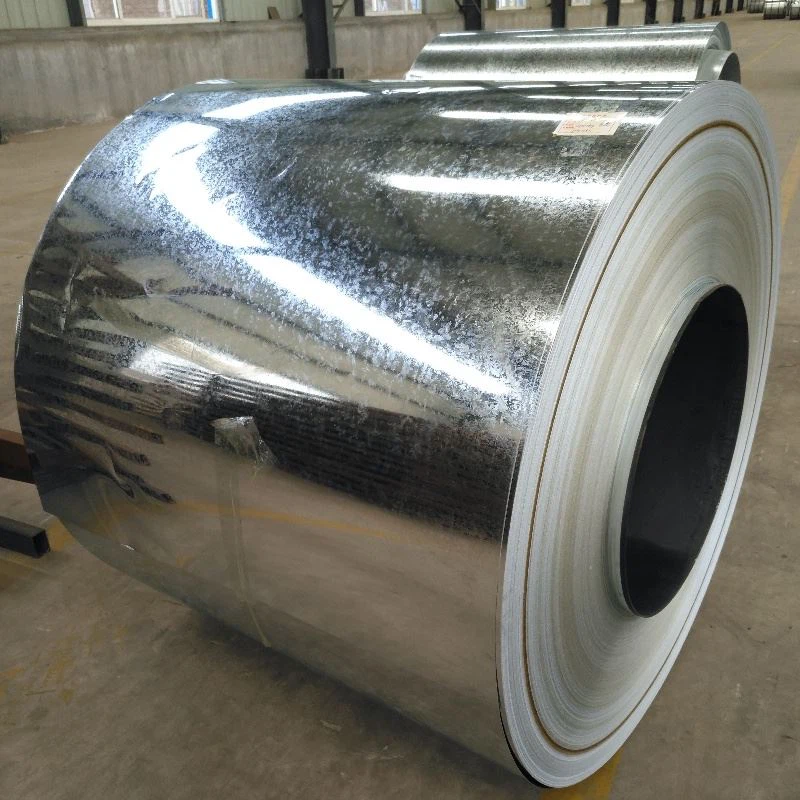

Our Product Range
We offer a wide range of GI Steel Coils to meet the diverse needs of our customers. Our product portfolio includes CS Grade Hot Dipped Galvanized Steel Coil, ASTM A653 Galvanized Steel Coil, and Structural Steel Hot Dipped Galvanized Steel Coil. All our products are manufactured in accordance with strict environmental protection requirements and high - quality standards.
Conclusion
Environmental protection is a top priority in our GI Steel Coil production. Through responsible raw material sourcing, energy efficiency measures, emission control, chemical management, and product quality assurance, we are committed to minimizing the environmental impact of our operations.
We believe that by meeting the environmental protection requirements, we not only contribute to a sustainable future but also enhance the competitiveness of our products. Our customers can be confident that when they choose our GI Steel Coils, they are choosing a product that is both environmentally friendly and of high quality.
If you are interested in our GI Steel Coils and would like to discuss your procurement needs, please feel free to reach out to us. We look forward to establishing a long - term partnership with you.
References
- World Steel Association. (Year). Energy Efficiency in Steel Production.
- Environmental Protection Agency. (Year). Regulations for Air and Water Pollution Control in the Steel Industry.
- International Zinc Association. (Year). Best Practices for Zinc Usage in Galvanization.