

Hey there! As a supplier of PPGI Galvanized Steel Coil, I often get asked all sorts of questions about our products. One question that pops up quite a bit is, "Is PPGI Galvanized Steel Coil magnetic?" Well, let's dive right into it and find out.
First off, let's quickly go over what PPGI Galvanized Steel Coil is. PPGI stands for Pre-Painted Galvanized Iron. It's basically a type of steel coil that has been coated with zinc to prevent rusting and then painted with a layer of paint for added protection and aesthetic appeal. These coils are widely used in various industries, like construction, automotive, and appliances. You can check out more about Painted Coils on our website.
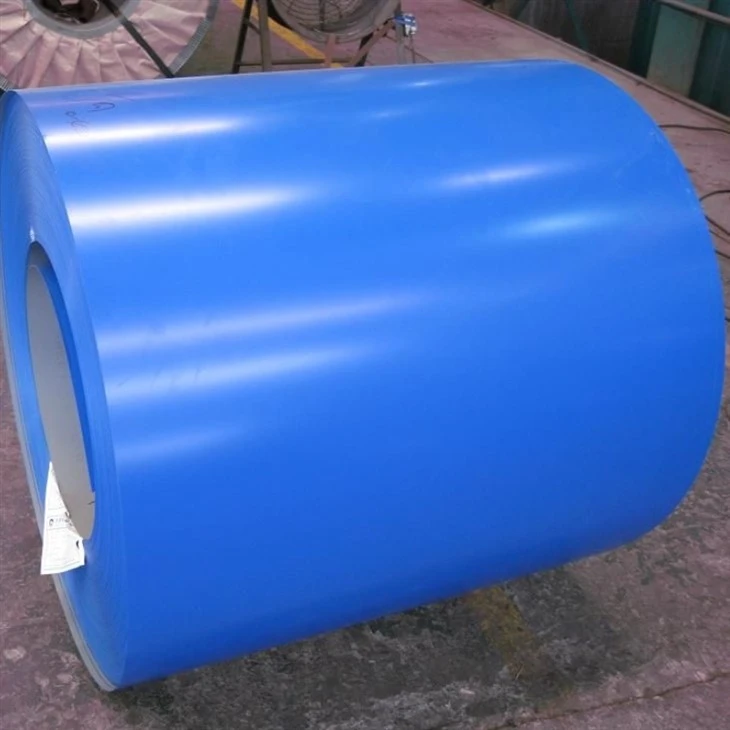
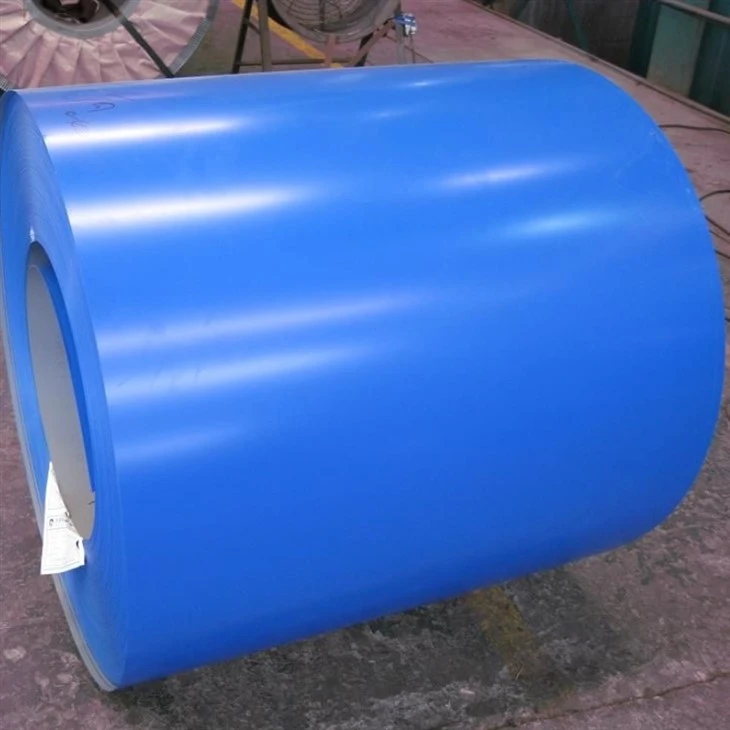
Now, let's talk about magnetism. Magnetism is all about the behavior of materials in a magnetic field. Some materials are attracted to magnets, and we call them magnetic materials. Others aren't affected by magnets, and we say they're non-magnetic.
So, is PPGI Galvanized Steel Coil magnetic? The short answer is yes, it usually is. The reason lies in the main component of the steel coil, which is iron. Iron is a ferromagnetic material, which means it can be magnetized and is strongly attracted to magnets. Even after the zinc coating and the paint layer are added, the iron in the steel still retains its magnetic properties.
The zinc coating on the PPGI Galvanized Steel Coil doesn't change the magnetic nature of the underlying steel. Zinc itself is a non-magnetic material, but it's just a thin layer on top of the steel. It serves to protect the steel from corrosion, not to alter its magnetic characteristics.
The paint layer, which is applied for aesthetic and additional protective purposes, also has no significant impact on the magnetism of the coil. The paint is typically a thin film that doesn't interfere with the magnetic field of the steel underneath.
There are some factors that can affect the magnetic strength of PPGI Galvanized Steel Coil, though. One factor is the composition of the steel. Different grades of steel can have slightly different amounts of iron and other elements. For example, if the steel has a higher percentage of iron, it will generally be more magnetic.
Another factor is the heat treatment the steel has undergone. Heat treatment can change the microstructure of the steel, which in turn can affect its magnetic properties. For instance, some heat treatments can make the steel more or less magnetic depending on how they alter the arrangement of the iron atoms.
Now, you might be wondering why the magnetism of PPGI Galvanized Steel Coil matters. Well, in many applications, the magnetic property can be quite useful. In the construction industry, for example, magnetic properties can be used for easy installation and alignment of steel components. In the automotive industry, magnetic materials are often used in sensors and electrical systems.
If you're in the market for PPGI Galvanized Steel Coil, you might also be interested in the Coated PPGI Coil Price. We offer competitive prices for high-quality coils that meet your specific needs.
We also have a wide range of Pre Painted Galvanized Steel Sheet And Coils available. These products come in different colors, thicknesses, and sizes, so you can find the perfect fit for your project.
Whether you're building a new house, manufacturing a car, or creating a piece of furniture, our PPGI Galvanized Steel Coil can be a great choice. Its magnetic properties, combined with its corrosion resistance and aesthetic appeal, make it a versatile material for many applications.
If you're interested in purchasing PPGI Galvanized Steel Coil, we'd love to have a chat with you. Just reach out to us, and we can discuss your requirements in detail. We're here to provide you with the best products and services to ensure your project's success.
In conclusion, PPGI Galvanized Steel Coil is generally magnetic due to the iron content in the steel. The zinc coating and paint layer don't change its magnetic nature, and it can be a valuable material in many industries because of its magnetic properties. So, if you've got any questions or need more information, don't hesitate to get in touch.
References
- "Introduction to Materials Science for Engineers" by James F. Shackelford
- "Steel: Processing, Structure, and Performance" by George Krauss