

Aluminum zinc coated coil, commonly known as Galvalume, has gained significant popularity in various industries due to its excellent corrosion resistance, durability, and cost - effectiveness. As a supplier of aluminum zinc coated coil, I often receive inquiries about its suitability for use in food processing plants. In this blog, we will explore whether aluminum zinc coated coil can be used in such environments, considering factors like safety, performance, and regulatory compliance.
Safety Considerations
One of the primary concerns when using any material in a food processing plant is its safety for food contact. Aluminum zinc coated coils are typically composed of a steel substrate coated with an alloy of aluminum and zinc. The coating acts as a protective layer, preventing the steel from rusting and corroding.

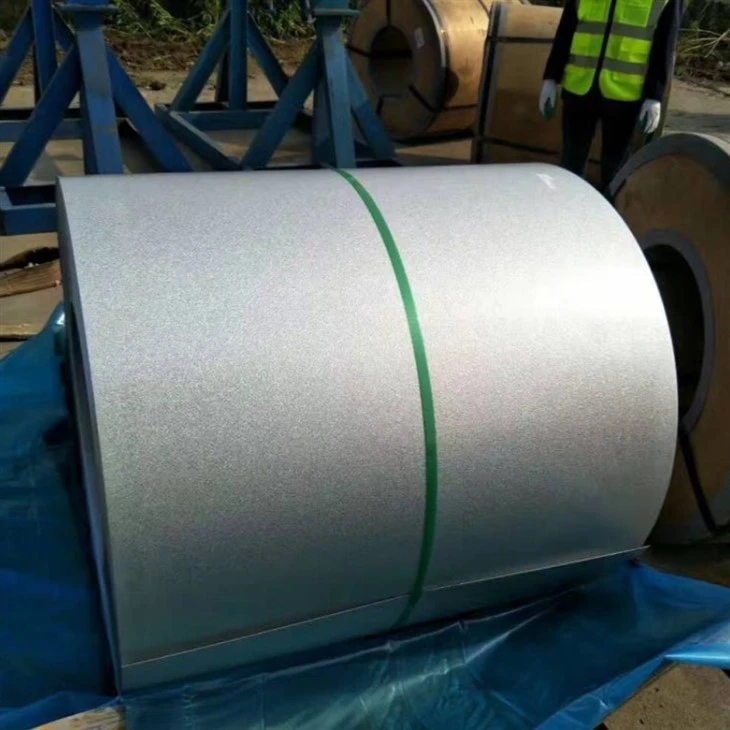
The aluminum and zinc used in the coating are generally considered safe in small amounts. Aluminum is a common element found in many foods and is used in food packaging materials. Zinc is an essential trace element for human health. However, direct and prolonged contact between the coated surface and food should be avoided.
In food processing plants, the aluminum zinc coated coil is usually used for non - food contact applications such as the construction of walls, ceilings, and equipment enclosures. When used in these areas, there is minimal risk of the coating coming into contact with food. If there is a possibility of accidental contact, it is crucial to ensure that the coating meets relevant food safety standards. For example, the coating should not contain harmful substances like lead or cadmium that could leach into the food.
Performance in Food Processing Environments
Food processing plants are often characterized by high humidity, temperature variations, and the presence of various chemicals. Aluminum zinc coated coil performs well in such environments due to its corrosion - resistant properties.
The aluminum - zinc alloy coating forms a dense oxide layer on the surface, which acts as a barrier against moisture and corrosive agents. This helps to prevent the steel substrate from rusting, even in humid conditions. In addition, the coating has good heat resistance, which is beneficial in areas where there are high - temperature processes.
The durability of aluminum zinc coated coil also makes it a suitable choice for food processing plants. It can withstand mechanical impacts and abrasion, which are common in industrial settings. This means that the coil can maintain its appearance and performance over a long period, reducing the need for frequent replacements.
Regulatory Compliance
When using aluminum zinc coated coil in food processing plants, it is essential to comply with relevant regulations. In the United States, the Food and Drug Administration (FDA) has strict regulations regarding materials that come into contact with food. Although aluminum zinc coated coil is typically used for non - food contact applications, it is still important to ensure that the coating materials are compliant with FDA regulations.
In Europe, the European Food Safety Authority (EFSA) also sets standards for food - contact materials. Suppliers of aluminum zinc coated coil should be able to provide documentation to prove that their products meet these regulatory requirements. This includes information about the composition of the coating, its manufacturing process, and any testing results.
Specific Applications in Food Processing Plants
- Wall and Ceiling Panels: Aluminum zinc coated coil can be used to manufacture wall and ceiling panels in food processing plants. These panels provide a clean and hygienic appearance, which is important in a food - processing environment. They are also easy to clean and maintain, helping to prevent the growth of bacteria and other contaminants.
- Equipment Enclosures: Many food processing machines require enclosures to protect operators and to prevent the ingress of dust and contaminants. Aluminum zinc coated coil is an ideal material for these enclosures due to its strength, durability, and corrosion resistance.
- Ventilation Ducts: Ventilation is crucial in food processing plants to maintain air quality and temperature control. Aluminum zinc coated coil can be used to fabricate ventilation ducts, which are resistant to corrosion and can withstand the flow of air and moisture.
Our Products
As a supplier of aluminum zinc coated coil, we offer a wide range of products to meet the needs of food processing plants. Our 24 GA Galvalume is a popular choice due to its suitable thickness and excellent performance. It is commonly used for wall and ceiling applications.
Our ASTM A792 Galvalume meets the ASTM A792 standard, which ensures its quality and performance. This product is suitable for various applications in food processing plants, including equipment enclosures and ventilation ducts.
In addition, we also provide information on Harga Coil Galvalume 2021 to help our customers make informed purchasing decisions.
Conclusion
In conclusion, aluminum zinc coated coil can be used in food processing plants for non - food contact applications. Its safety, performance, and regulatory compliance make it a suitable choice for the construction of walls, ceilings, equipment enclosures, and ventilation ducts.
However, it is important to ensure that the coil is used correctly and that it meets relevant food safety standards. As a supplier, we are committed to providing high - quality aluminum zinc coated coil products that are safe and suitable for use in food processing environments.
If you are interested in purchasing aluminum zinc coated coil for your food processing plant, we invite you to contact us for more information and to discuss your specific requirements. We look forward to working with you to find the best solutions for your business.
References
- "Food Safety and Packaging Materials" - A guide published by the Food and Drug Administration.
- "Corrosion Resistance of Aluminum - Zinc Coated Steels" - Research paper from a leading materials science journal.
- "Standards for Food - Contact Materials in Europe" - European Food Safety Authority publications.