

Which is Better: PPGI or PPGL?
In the world of modern construction and manufacturing, coated steel products are indispensable. Among them, PPGI (Pre-Painted Galvanized Iron) and PPGL (Pre-Painted Galvanized Lead) are two prominent materials that often cause confusion. While their names sound similar, their properties, applications, and performance differ significantly. The question "Which is better?" doesn't have a one-size-fits-all answer. It entirely depends on the specific requirements of your project. This article will break down both materials in simple terms, explaining their composition, strengths, weaknesses, and ideal use cases to help you make an informed decision.
Understanding the Basics: What Are PPGI and PPGL?
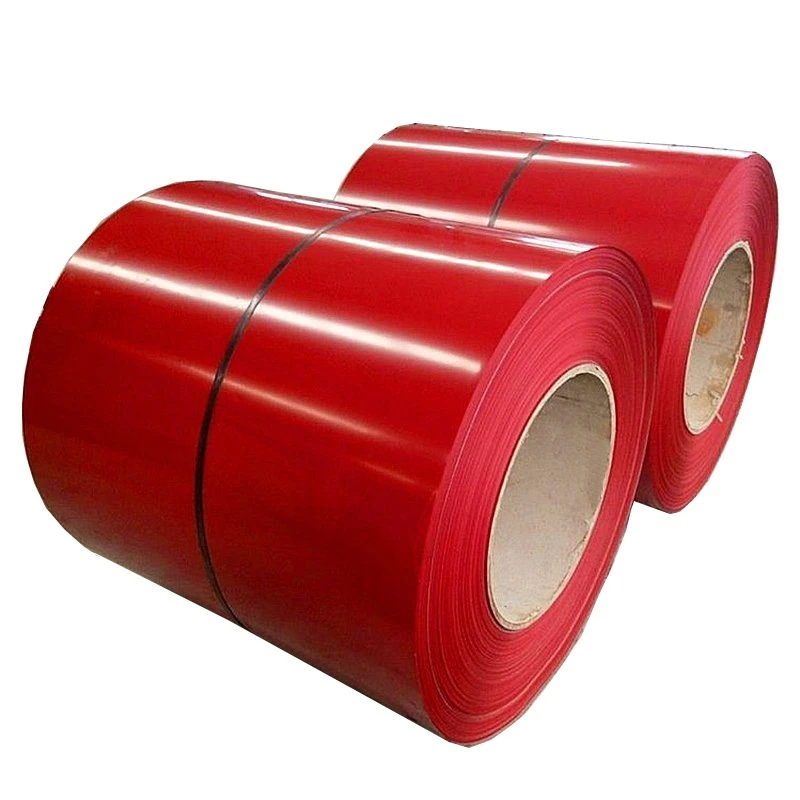
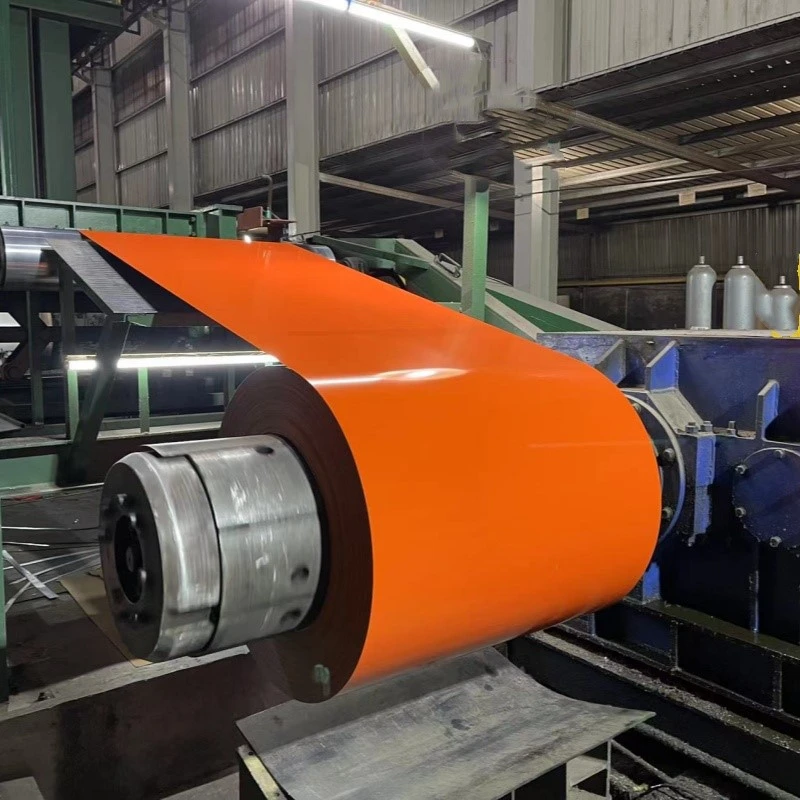
First, let's decode the acronyms. Both start with "Pre-Painted," meaning the steel coil is painted in a factory-controlled environment using advanced coating lines before being formed into final products. This process ensures a uniform, high-quality, and durable finish compared to post-construction painting. The key difference lies in the metallic substrate beneath the paint.
· PPGI (Pre-Painted Galvanized Steel Coil): The base metal is galvanized steel. This means a cold-rolled steel coil has been coated with a layer of zinc through a hot-dip process. The zinc acts as a sacrificial anode, providing excellent corrosion resistance to the underlying steel. The paint is then applied over this zinc layer.
· PPGL (Pre-Painted Galvalume Steel Coil): Here, the "L" stands for Galvalume®, a specific trademarked alloy. The substrate is not pure zinc but a blend of approximately 55% aluminum, 43.5% zinc, and 1.5% silicon by weight. This combination, often called Alu-Zinc or AZ150, creates a substrate with unique properties. The paint is applied over this alloy coating.
Therefore, the core of the comparison is really Galvanized (Zinc) vs. Galvalume (Aluminum-Zinc Alloy) as the substrate for pre-painting.
Head-to-Head Comparison (Without a Table!)
Let's explore their characteristics across several critical dimensions.
1. Corrosion and Rust Resistance
This is the most significant differentiator.
· PPGI: The zinc coating provides protection in two ways: as a barrier and through galvanic (sacrificial) action. If the coating is scratched, the zinc will corrode first to protect the steel. However, zinc corrodes at a predictable rate. In harsh environments (coastal, industrial), this rate can be relatively high.
· PPGL: Galvalume offers superior long-term corrosion resistance. Aluminum, in the alloy, forms a stable oxide layer that acts as a robust barrier. The zinc component still provides some sacrificial protection at cuts. As a result, PPGL typically offers 2 to 4 times the service life of PPGI in the same environment. For example, a PPGL roof in a seaside town will likely last significantly longer without red rust showing at edges or scratches compared to a PPGI roof.
2. Heat Reflectivity and Thermal Resistance
· PPGI: Zinc has moderate heat reflectivity. PPGI panels will heat up under intense sunlight.
· PPGL: This is a major advantage for PPGL. The aluminum component gives it high thermal reflectivity (up to 80% of sunlight). A building with PPGL roofing will stay noticeably cooler inside, reducing air-conditioning costs. This makes PPGL an excellent choice for warehouses, factories, and homes in hot climates. Think of it like wearing a white shirt (PPGL) versus a grey shirt (PPGI) on a sunny day; the white reflects more heat.
3. Formability and Durability
· PPGI: The zinc coating is relatively soft and adherent, making PPGI excellent for severe forming processes like deep drawing or roll-forming sharp bends without the coating flaking off. It's very ductile.
· PPGL: The Galvalume coating is harder and more brittle due to the aluminum content. While it handles standard roofing and wall panel profiles perfectly, it can be susceptible to micro-cracking at very sharp, tight bends during fabrication. This isn't a problem for most applications but is crucial for complex parts.
4. Cut Edge Protection
· PPGI: Offers excellent sacrificial protection at cut edges. The exposed zinc around sheared edges will corrode preferentially, protecting the steel and preventing the "creep" of rust from the edge.
· PPGL: Cut edge protection is its relative weakness. The aluminum-rich areas in the alloy are less sacrificial than pure zinc. While the coating still provides a barrier, corrosion can start at exposed cut edges more readily in corrosive environments. This is often mitigated in practice by using sealants or designing overlaps carefully.
5. Cost Considerations
· PPGI: Generally, it is the more cost-effective option upfront. The raw material (galvanized steel) is less expensive than Galvalume.
· PPGL: Commands a premium price, often 10-20% higher than PPGI, due to the cost of the aluminum alloy. However, this higher initial investment can be justified by its longer lifespan, better heat reflectivity, and lower maintenance costs over time.
6. Aesthetic and Paint Compatibility
Both PPGI and PPGL offer identical aesthetic possibilities since the top layer is the same high-quality paint system (polyester, PVDF, SMP, etc.). The painting process is virtually the same for both substrates. Color, gloss, and finish choices are equal.
Real-World Examples: Where to Use Which?
Choose PPGI (Pre-Painted Galvanized Iron) when:
· Budget is a primary constraint: For short-to-medium-term projects or where initial cost is critical.
· The environment is mild: Inland areas with low pollution and no salt spray.
· You need complex fabrication: For appliances, HVAC ducts, ceiling tiles, or parts that require deep drawing and sharp bends. The interior panels of a washing machine or an air conditioner housing are classic PPGI applications.
· Cut edges will be exposed and unprotected: In some structural or interior applications where edge sealing isn't planned.
Choose PPGL (Pre-Painted Galvanized Lead/Galvalume) when:
· Longevity and corrosion resistance are paramount: For roofing and wall cladding in coastal regions, industrial zones, or areas with high humidity.
· Energy efficiency is a goal: For roofing on warehouses, commercial buildings, or residential homes where reducing heat gain is important. A large distribution center with a PPGL roof can see substantial savings on cooling.
· The application is standard building profiles: For standard trapezoidal or standing seam roof sheets and wall panels, where forming is not extreme.
· You are considering life-cycle cost: The higher initial investment pays off over decades of reduced maintenance and replacement costs. A farm building meant to last 40+ years is a strong candidate for PPGL.
Conclusion: It's About the Right Tool for the Job
So, is PPGI or PPGL better? As we've seen, it's not about absolute superiority but about suitability.
· Think of PPGI as the versatile, economical workhorse. It provides good all-around performance at a great price, especially where forming flexibility is needed. It's like a reliable, fuel-efficient family sedan-it gets the job done well for most everyday needs.
· Think of PPGL as the specialized, high-performance option. You pay more for its exceptional corrosion resistance and thermal properties in environments that demand them. It's like a rugged, all-terrain vehicle built to handle harsh conditions and last for the long haul.
Before deciding, always assess:
1. The environment your product will face.
2. The fabrication process involved.
3. Your budget (both initial and long-term).
4. The expected lifespan of the project.
By understanding the fundamental difference-zinc versus aluminum-zinc-you can move beyond the acronyms and choose the coated steel that truly fits your blueprint for success. In most demanding architectural and industrial applications, PPGL (Galvalume) tends to be the preferred choice for its durability, while PPGI remains the champion of cost-sensitive and highly-formable applications. Consult with your material supplier and consider the specific conditions of your project to make the optimal choice.


