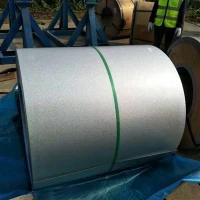
Galvanized Steel: Types, Uses, Benefits
Steel is the backbone of modern industry, forming the skeleton of our infrastructure, vehicles, and appliances. However, its Achilles' heel is its susceptibility to corrosion, particularly rust, when exposed to oxygen and moisture. Galvanization, the process of applying a protective zinc coating to steel, is one of the most effective and economical solutions to this age-old problem. By creating a robust barrier and offering sacrificial protection, galvanized steel ensures longevity and durability in countless applications. This article delves into the primary types of galvanizing processes, explores their vast array of uses, and outlines the compelling benefits that make this material a cornerstone of construction and manufacturing.
Types of Galvanizing Processes
The term "galvanized steel" encompasses several distinct methods of applying zinc, each with its own characteristics, thickness profiles, and suitability for different end-uses.
1. Hot-Dip Galvanizing (HDG)
This is the most common and recognizable form of galvanizing. The process is straightforward yet highly effective. Prepared steel (cleaned via pickling in an acid solution and fluxed) is fully immersed in a molten zinc bath at approximately 450°C (840°F). A metallurgical reaction occurs between the iron in the steel and the molten zinc, forming a series of zinc-iron alloy layers topped by a layer of pure zinc. This results in the characteristic spangled finish.
· Characteristics: Produces a thick, durable coating (typically 50-150 microns) that is highly resistant to mechanical damage. The coating is slightly rough and can have a crystalline spangle pattern. It is ideal for items that can be fully immersed, such as structural beams, guardrails, and complex fabrications.
2. Electrogalvanizing (Electroplating)
Unlike the hot-dip method, electrogalvanizing uses an electrical current to deposit a thin layer of zinc onto the steel surface from an electrolyte solution. The steel acts as the cathode in an electrochemical cell.
· Characteristics: This process yields a very smooth, uniform, and thin coating (typically 3-10 microns). The finish is aesthetically pleasing and provides excellent paint adhesion. However, it offers less corrosion protection compared to HDG due to its thinness. It is predominantly used for sheet steel in automotive body panels, appliance housings, and electronics where formability and a pristine surface are critical.
3. Galvannealing
This is a hybrid process that combines hot-dip galvanizing with immediate heat treatment (annealing). After exiting the zinc bath, the steel sheet passes through an induction furnace, which diffuses the zinc layer into the base steel, converting the entire coating into a matte gray zinc-iron alloy.
· Characteristics: The resulting coating is non-spangled, matte, and offers superior weldability and paint adhesion compared to standard hot-dip coatings. It is a staple in the automotive industry for parts that require both corrosion resistance and subsequent welding and painting.
4. Sherardizing (Thermal Diffusion Galvanizing)
A less common but highly effective process for small, complex parts. Components are tumbled in a sealed drum filled with zinc dust and heated to just below zinc's melting point (around 380°C). The zinc diffuses into the steel surface, forming a uniform, matte gray alloy coating.
· Characteristics: Produces a highly abrasion-resistant coating of consistent thickness, even on recesses and threads. It is ideal for fasteners, small castings, and electrical fittings.
5. Pre-Galvanizing
This refers to the galvanizing of sheet metal, coil, or wire before it is fabricated. The material passes through a cleaning stage and a molten zinc bath at high speed in a continuous line. It is then recoiled.
· Characteristics: Provides a consistent, smooth coating. However, any cut edges or welds made during subsequent fabrication remain unprotected, which is a key limitation. It is used for corrugated sheets, ductwork, and other products made from pre-coated coils.

Uses of Galvanized Steel
The versatility of galvanized steel translates into its presence across virtually every sector of the economy.
· Construction & Infrastructure: This is the largest market. HDG steel is used for structural frameworks, roofing and wall cladding (as in pre-engineered buildings), purlins, trusses, safety barriers, bridge components, transmission towers, and balconies. Its longevity reduces maintenance on structures that are difficult or dangerous to access.
· Automotive Industry: The underbody of a car is a hostile environment, exposed to water, salt, and debris. Both electrogalvanized and galvannealed sheets are extensively used for body panels, frames, brackets, and exhaust systems to combat corrosion and extend vehicle life.
· Agriculture: Farm equipment and structures are exposed to fertilizers, manure, and constant weathering. Galvanized steel is used for silos, grain bins, animal pens, fencing, wire, and tractor components.
· Utilities & Telecommunications: Cable trays, equipment cabinets, street lighting columns, and utility poles are often galvanized to withstand decades of outdoor exposure with minimal upkeep.
· Consumer Goods: From washing machine drums and air conditioner housings to metal pails, buckets, and storage shelving, galvanized steel provides a durable, rust-resistant finish for everyday products.
· Fasteners and Hardware: Nails, screws, bolts, nuts, and chains are frequently sherardized or hot-dip galvanized to prevent seizing and failure due to rust, which is critical for structural integrity and safety.
Benefits of Galvanized Steel
The widespread adoption of galvanized steel is driven by a powerful combination of technical, economic, and practical advantages.
1. Superior Corrosion Protection: This is the core benefit. The zinc coating acts as a physical barrier, shielding the underlying steel from the environment. More importantly, zinc is anodic to steel. If the coating is scratched or cut, the surrounding zinc sacrificially corrodes to protect the exposed steel-a phenomenon known as cathodic protection. This dual-action defense is exceptionally effective.
2. Long Service Life and Low Life-Cycle Cost: Galvanized coatings have a proven track record of providing corrosion protection for 50 years or more in many atmospheric conditions. While the initial cost may be higher than unprotected steel, the virtual elimination of maintenance, repainting, and replacement costs over the structure's lifetime makes it the most economical choice (Lowest Life-Cycle Cost).
3. Durability and Abrasion Resistance: The metallurgically bonded alloy layers in hot-dip galvanizing are harder than the base steel itself. This makes the coating highly resistant to damage from handling, transportation, and impact during service, offering protection throughout the supply chain.
4. Complete Coverage: The immersion process of hot-dip galvanizing ensures that even the most complex shapes, recesses, and internal surfaces are thoroughly coated, including corners and edges that are vulnerable points with paint systems.
5. Ease of Inspection: The visual nature of the coating allows for simple, quick, and non-destructive inspection. Coating thickness can be reliably checked with magnetic gauges, ensuring quality control.
6. Sustainability: Steel is the world's most recycled material. Galvanized steel is 100% recyclable, and the zinc coating does not hinder the process. Furthermore, its long life conserves resources by reducing the need for replacement materials and the energy associated with maintenance activities.
7. Speed of Application: Hot-dip galvanizing is a rapid process. Large structures can be dipped, coated, cooled, and ready for site erection in a matter of days, avoiding the delays associated with multi-coat paint systems which require drying times between coats.
In conclusion, galvanized steel is far more than just "rust-proof steel." It is a family of engineered materials, each type optimized through processes like hot-dipping, electroplating, or galvannealing for specific performance demands. From skyscrapers and cars to the nails in a fence, its applications are ubiquitous. The benefits-unmatched corrosion protection, exceptional longevity, remarkable durability, and overall economic efficiency-solidify its role as an indispensable material in engineering and construction. In a world demanding sustainable and resilient infrastructure, galvanized steel continues to prove its mettle, ensuring that the frameworks of our society stand strong for generations.