

Galvanizing is a crucial process for enhancing the durability and corrosion resistance of cold rolled sheets. As a reputable supplier of cold rolled sheets, I am often asked about the detailed process of galvanizing these sheets. In this blog, I will walk you through the entire galvanizing process of cold rolled sheets, from the initial preparation to the final inspection.
Understanding Cold Rolled Sheets
Before delving into the galvanizing process, it's essential to understand what cold rolled sheets are. Cold rolled sheets are produced by passing hot rolled steel through a series of rollers at room temperature. This process results in a smoother surface finish, tighter tolerances, and improved mechanical properties compared to hot rolled sheets. Cold rolled sheets are widely used in various industries, including automotive, construction, and appliances, due to their high quality and versatility.

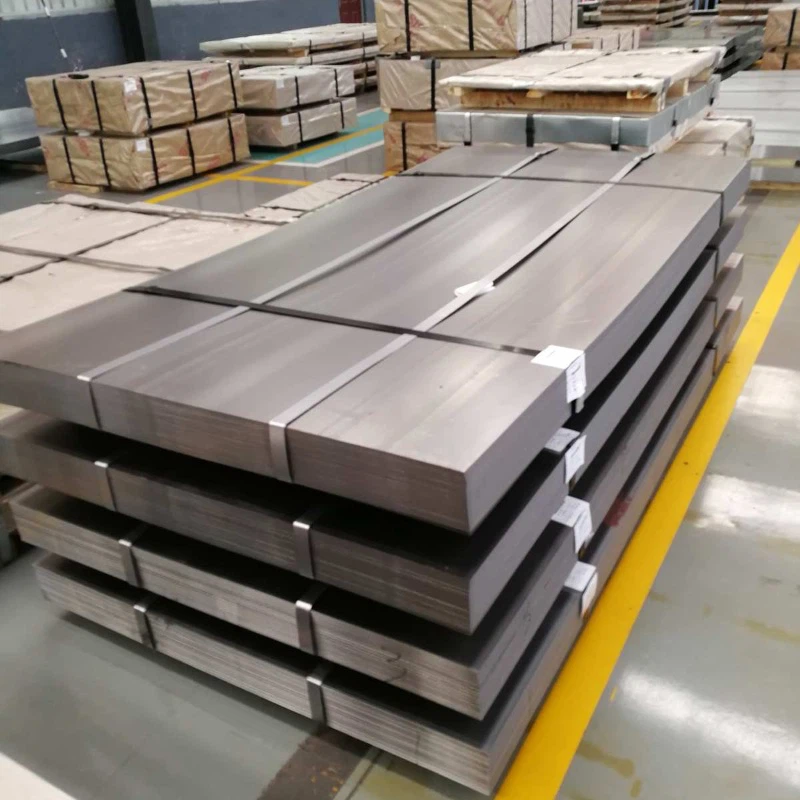
There are different types of cold rolled sheets available in the market, such as Cold Rolled Carbon Steel Sheet, Cold Rolled Steel Sheet, and Cold Rolled Mild Steel Sheet. Each type has its own unique characteristics and applications, depending on the specific requirements of the project.
The Galvanizing Process
The galvanizing process involves coating the cold rolled sheet with a layer of zinc to protect it from corrosion. There are two main methods of galvanizing: hot-dip galvanizing and electro-galvanizing. In this blog, I will focus on the hot-dip galvanizing process, which is the most common and effective method for galvanizing cold rolled sheets.
Step 1: Surface Preparation
The first step in the hot-dip galvanizing process is to prepare the surface of the cold rolled sheet. This involves removing any dirt, oil, rust, or other contaminants from the surface to ensure proper adhesion of the zinc coating. The surface preparation typically includes the following sub-steps:
- Degreasing: The cold rolled sheet is first cleaned with a degreasing agent to remove any oil or grease from the surface. This can be done using a solvent-based cleaner or an alkaline cleaner, depending on the type and amount of contaminants present.
- Pickling: After degreasing, the sheet is pickled in an acid solution to remove any rust or scale from the surface. The most commonly used acid for pickling is hydrochloric acid, although sulfuric acid can also be used in some cases. The pickling process helps to expose the clean steel surface and promotes the formation of a zinc-iron alloy layer during the galvanizing process.
- Fluxing: Once the sheet is pickled, it is rinsed with water to remove any residual acid and then dipped in a flux solution. The flux solution helps to prevent oxidation of the steel surface during the galvanizing process and promotes the wetting of the steel by the molten zinc. The most commonly used flux is a zinc ammonium chloride solution.
Step 2: Galvanizing
After the surface preparation is complete, the cold rolled sheet is ready to be galvanized. The galvanizing process involves dipping the sheet into a bath of molten zinc at a temperature of approximately 450°C (842°F). The molten zinc reacts with the steel surface to form a series of zinc-iron alloy layers, which provide excellent corrosion resistance.
- Immersion: The prepared sheet is carefully lowered into the molten zinc bath using a crane or a conveyor system. The sheet is typically immersed in the bath for a few minutes, depending on the thickness of the sheet and the desired coating thickness.
- Alloy Formation: As the sheet is immersed in the molten zinc bath, a chemical reaction occurs between the zinc and the steel surface. This reaction forms a series of zinc-iron alloy layers, starting with a layer of zinc-iron intermetallic compounds at the steel/zinc interface and gradually transitioning to a layer of pure zinc on the outer surface. The thickness and composition of the alloy layers depend on several factors, including the immersion time, the temperature of the zinc bath, and the composition of the steel.
- Withdrawal: After the desired coating thickness is achieved, the sheet is slowly withdrawn from the molten zinc bath. As the sheet is withdrawn, excess zinc drips off the surface, leaving behind a smooth and uniform zinc coating.
Step 3: Post-Treatment
Once the sheet is removed from the molten zinc bath, it undergoes a series of post-treatment steps to improve the appearance and performance of the zinc coating. The post-treatment typically includes the following sub-steps:
- Quenching: The galvanized sheet is quenched in water or an air jet to cool it rapidly and prevent the formation of large zinc crystals on the surface. Quenching also helps to improve the adhesion of the zinc coating to the steel surface.
- Passivation: After quenching, the sheet may be passivated to further enhance the corrosion resistance of the zinc coating. Passivation involves treating the sheet with a chemical solution, such as chromate or phosphate, to form a thin protective layer on the surface of the zinc coating.
- Inspection: Finally, the galvanized sheet is inspected to ensure that the zinc coating meets the required quality standards. The inspection typically includes visual inspection, thickness measurement, and adhesion testing. Any defects or non-conformities are identified and corrected before the sheet is shipped to the customer.
Advantages of Galvanized Cold Rolled Sheets
Galvanized cold rolled sheets offer several advantages over non-galvanized sheets, making them a popular choice for a wide range of applications. Some of the key advantages of galvanized cold rolled sheets include:
- Corrosion Resistance: The zinc coating provides excellent corrosion resistance, protecting the steel from rust and other forms of corrosion. This makes galvanized cold rolled sheets ideal for use in outdoor applications, such as roofing, fencing, and automotive parts.
- Longevity: Galvanized cold rolled sheets have a long service life, typically lasting for several decades without significant corrosion. This reduces the need for frequent replacement and maintenance, resulting in cost savings over the long term.
- Aesthetics: The zinc coating gives the sheet a smooth and uniform appearance, which can enhance the aesthetic appeal of the finished product. Galvanized sheets can be left in their natural state or painted to match the desired color scheme.
- Strength and Durability: The zinc coating also provides additional strength and durability to the cold rolled sheet, making it more resistant to impact and abrasion. This makes galvanized sheets suitable for use in high-stress applications, such as structural components and machinery parts.
Contact Us for Galvanized Cold Rolled Sheets
If you are in the market for high-quality galvanized cold rolled sheets, look no further. As a leading supplier of cold rolled sheets, we offer a wide range of galvanized products to meet your specific requirements. Our galvanized cold rolled sheets are produced using the latest technology and strict quality control measures to ensure the highest level of performance and reliability.
Whether you need Cold Rolled Carbon Steel Sheet, Cold Rolled Steel Sheet, or Cold Rolled Mild Steel Sheet, we have the expertise and resources to provide you with the right solution. Contact us today to discuss your project requirements and get a free quote. We look forward to working with you!
References
- American Galvanizers Association. (n.d.). Hot-Dip Galvanizing Process. Retrieved from https://www.galvanizeit.org/process
- Steel Construction Institute. (n.d.). Galvanizing of Steelwork. Retrieved from https://www.steelconstruction.info/Galvanizing_of_steelwork
- NACE International. (2007). Corrosion Basics: An Introduction. Houston, TX: NACE International.