

SGCC (Steel, Galvanized, Commercial, Cold-rolled) galvanized steel coil is a widely used material in various industries due to its excellent corrosion resistance and formability. As a supplier of SGCC galvanized steel coil, I often receive inquiries about the maximum temperature this material can withstand. In this blog post, I will delve into this topic, exploring the factors that influence the temperature resistance of SGCC galvanized steel coil and providing some practical guidelines for its use in high-temperature environments.
Understanding SGCC Galvanized Steel Coil
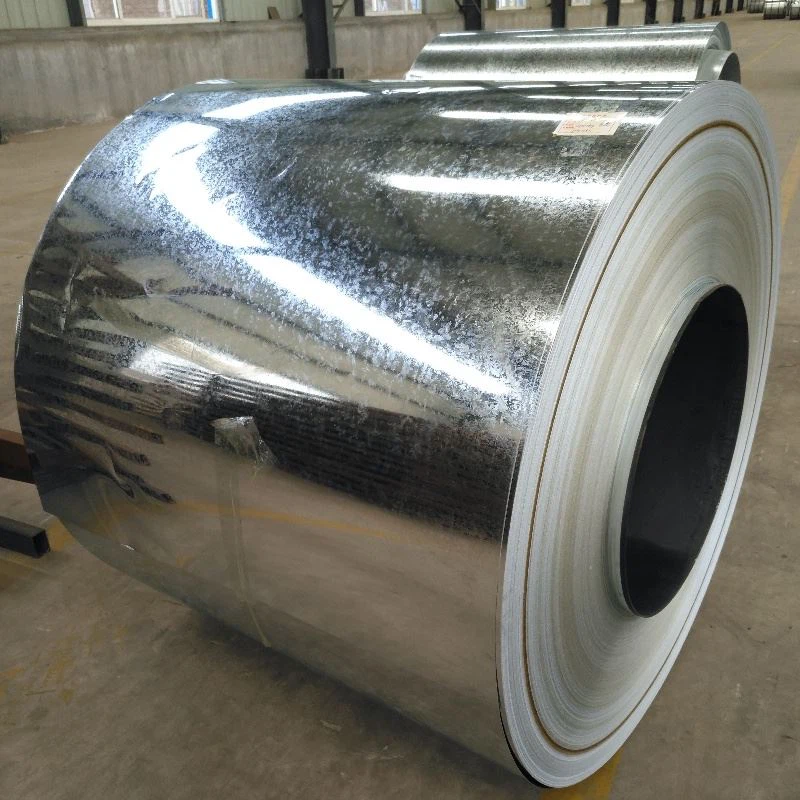
SGCC galvanized steel coil is a cold-rolled steel sheet coated with a layer of zinc through a hot-dip galvanizing process. The zinc coating provides a protective barrier that prevents the underlying steel from coming into contact with oxygen and moisture, thereby significantly reducing the risk of corrosion. This makes SGCC galvanized steel coil suitable for a wide range of applications, including automotive manufacturing, construction, and household appliances.
Factors Affecting the Maximum Temperature Resistance
The maximum temperature that SGCC galvanized steel coil can withstand is influenced by several factors, including the thickness of the zinc coating, the composition of the steel substrate, and the duration of exposure to high temperatures.
Zinc Coating Thickness
The zinc coating on SGCC galvanized steel coil plays a crucial role in determining its temperature resistance. At elevated temperatures, the zinc coating begins to oxidize and form a layer of zinc oxide. This oxide layer acts as a barrier, slowing down the further oxidation of the zinc and protecting the underlying steel. However, if the temperature is too high or the exposure time is too long, the zinc coating may be completely consumed, leaving the steel substrate vulnerable to corrosion.
In general, a thicker zinc coating provides better protection against high temperatures. Coils with a heavier coating weight are more resistant to oxidation and can withstand higher temperatures for longer periods. Therefore, when selecting SGCC galvanized steel coil for high-temperature applications, it is important to choose a product with an appropriate coating thickness.
Steel Substrate Composition
The composition of the steel substrate also affects the temperature resistance of SGCC galvanized steel coil. Different grades of steel have different thermal properties, which can influence their behavior at high temperatures. For example, steels with a higher carbon content tend to have lower ductility and may be more prone to cracking at elevated temperatures.
In addition, the presence of alloying elements such as chromium, nickel, and molybdenum can improve the heat resistance of the steel. These elements form a protective oxide layer on the surface of the steel, which helps to prevent oxidation and corrosion. Therefore, when considering high-temperature applications, it is advisable to choose a SGCC galvanized steel coil with a suitable steel substrate composition.
Duration of Exposure
The duration of exposure to high temperatures is another important factor. Even if the temperature is within the acceptable range, prolonged exposure can still cause damage to the zinc coating and the steel substrate. For example, continuous exposure to temperatures above 200°C (392°F) for an extended period can lead to the formation of a brittle layer of zinc-iron alloy at the interface between the zinc coating and the steel substrate. This brittle layer can reduce the adhesion of the zinc coating and increase the risk of corrosion.

Maximum Temperature Limits
Based on industry standards and practical experience, the maximum temperature that SGCC galvanized steel coil can withstand depends on the specific application and the factors mentioned above. In general, SGCC galvanized steel coil can be used safely at temperatures up to 200°C (392°F) for short periods. However, for continuous exposure, it is recommended to keep the temperature below 100°C (212°F) to ensure the long-term integrity of the zinc coating and the steel substrate.
It is important to note that these temperature limits are approximate and may vary depending on the specific product and the operating conditions. Therefore, it is always advisable to consult with a technical expert or conduct tests to determine the suitability of SGCC galvanized steel coil for a particular high-temperature application.
Applications and Considerations
SGCC galvanized steel coil is used in a variety of applications where high-temperature resistance is required. Some common examples include:
Automotive Exhaust Systems
In automotive exhaust systems, SGCC galvanized steel coil is used to manufacture components such as exhaust pipes and mufflers. These components are exposed to high temperatures and corrosive gases, so it is important to choose a material that can withstand these conditions. When using SGCC galvanized steel coil in automotive exhaust systems, it is recommended to limit the operating temperature to below 200°C (392°F) to prevent excessive oxidation of the zinc coating.
Construction and Building
In the construction industry, SGCC galvanized steel coil is used for roofing, siding, and structural components. While these applications typically do not involve extremely high temperatures, they may be exposed to sunlight and other environmental factors that can cause the temperature of the steel to rise. To ensure the durability of the galvanized coating, it is important to consider the local climate and the orientation of the building when selecting SGCC galvanized steel coil for construction applications.
Industrial Furnaces and Ovens
In industrial settings, SGCC galvanized steel coil may be used in the construction of furnaces, ovens, and other high-temperature equipment. However, due to the high temperatures involved, it is usually necessary to use additional heat-resistant coatings or materials to protect the galvanized steel. For example, a ceramic coating can be applied over the zinc coating to provide an extra layer of insulation and protection.
Conclusion
As a supplier of SGCC galvanized steel coil, I understand the importance of providing customers with accurate information about the material's properties and limitations. While SGCC galvanized steel coil offers excellent corrosion resistance and formability, its maximum temperature resistance is limited. By considering the factors mentioned above and choosing the right product for the specific application, customers can ensure the safe and reliable use of SGCC galvanized steel coil in high-temperature environments.
If you are interested in purchasing SGCC galvanized steel coil for your project, we offer a wide range of products, including Commercial Grade Galvanized Steel Coil, DX51D Galvanized Steel, and Structural Steel Hot Dipped Galvanized Steel Coil. Our team of experts is available to assist you in selecting the most suitable product and providing technical support. Please feel free to contact us to discuss your requirements and start a procurement negotiation.
References
- ASM Handbook, Volume 13A: Corrosion: Fundamentals, Testing, and Protection. ASM International.
- Galvanizers Association. (2019). Hot-dip Galvanizing: A Guide to Specification and Use.
- ISO 1461:2009. Hot-dip galvanized coatings on fabricated iron and steel articles - Specifications and test methods.