

Hey there! As a supplier of GI Steel Coil, I often get asked about the installation requirements for this amazing product. So, I figured I'd put together a blog post to answer all your burning questions.
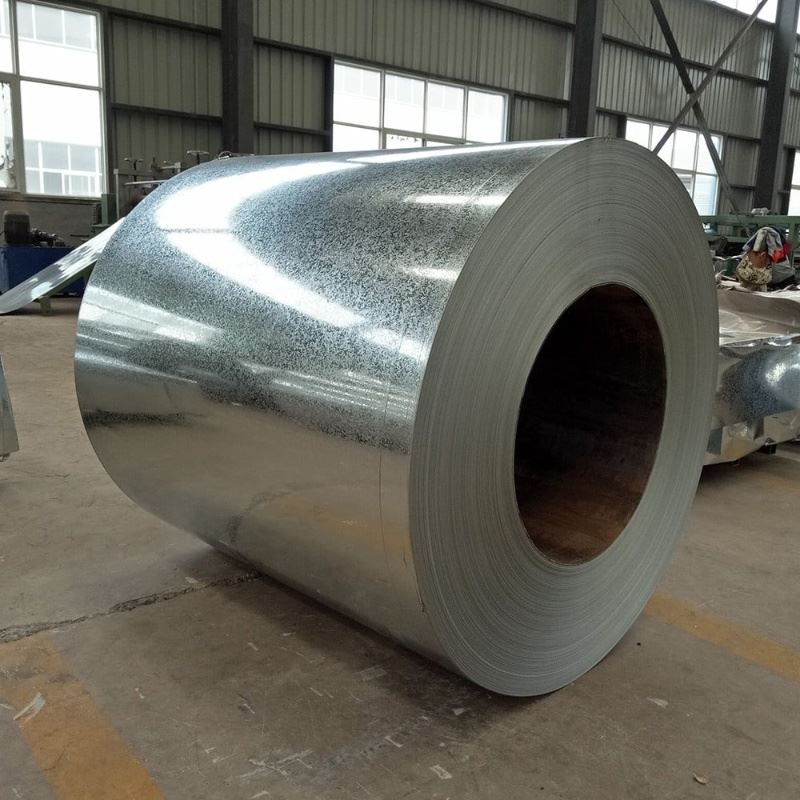
First things first, let's talk about what GI Steel Coil is. GI, which stands for Galvanized Iron, is steel that has been coated with a layer of zinc to protect it from rust and corrosion. This makes it a popular choice for a wide range of applications, from construction to automotive manufacturing. You can check out our GI Steel Coil on our website to get a better idea of what we're offering.
Surface Preparation
One of the most important installation requirements for GI Steel Coil is proper surface preparation. Before you start installing the coil, you need to make sure the surface is clean, dry, and free of any dirt, oil, or debris. Any contaminants on the surface can prevent the coil from bonding properly, which can lead to problems down the line.
To clean the surface, you can use a mild detergent and water. Make sure to rinse the surface thoroughly and allow it to dry completely before proceeding. If there are any stubborn stains or rust spots, you may need to use a more aggressive cleaning method, such as sandblasting or wire brushing. However, be careful not to damage the zinc coating on the coil while cleaning.
Measuring and Cutting
Once the surface is prepared, it's time to measure and cut the GI Steel Coil to the appropriate size. This is a crucial step, as inaccurate measurements can result in a poor fit and a less-than-perfect installation.
To measure the coil, use a tape measure or a ruler to determine the length and width of the area where you'll be installing it. Make sure to add a little extra length to account for any overlaps or adjustments that may be needed. When cutting the coil, you can use a pair of tin snips or a power saw. Just make sure to wear appropriate safety gear, such as gloves and goggles, to protect yourself from injury.
Installation Methods
There are several different installation methods you can use for GI Steel Coil, depending on the application and the surface you're working with. Here are some of the most common methods:
- Screwing: This is one of the most popular installation methods for GI Steel Coil. You can use self-tapping screws to attach the coil to the surface. Make sure to space the screws evenly to ensure a secure fit.
- Welding: Welding is another option for installing GI Steel Coil, especially for applications where a strong, permanent bond is required. However, welding can be more difficult and time-consuming than screwing, and it requires specialized equipment and skills.
- Adhesive Bonding: Adhesive bonding is a good option for installing GI Steel Coil on smooth, non-porous surfaces. You can use a high-quality adhesive to bond the coil to the surface. Make sure to follow the manufacturer's instructions carefully when using adhesive.
FS Grade Hot Dipped Galvanized Steel Coil
If you're looking for a high-quality GI Steel Coil, you might want to consider our FS Grade Hot Dipped Galvanized Steel Coil. This type of coil is made using a hot-dip galvanizing process, which involves immersing the steel in a bath of molten zinc. This results in a thick, durable zinc coating that provides excellent protection against rust and corrosion.
The FS grade of our hot-dipped galvanized steel coil means that it meets certain quality standards. This grade is known for its high zinc content and uniform coating thickness, which ensures long-lasting performance and reliability.
Galvanized Steel Coils in Plate
In addition to coils, we also offer Galvanized Steel Coils in Plate form. Galvanized steel plates can be a great choice for applications where a flat, rigid surface is required. The installation requirements for galvanized steel plates are similar to those for coils.
Just like with the coils, proper surface preparation is key. After that, you can use the same installation methods such as screwing, welding, or adhesive bonding depending on your specific needs. The plates are also easier to handle in some cases, especially for smaller projects where you don't need to deal with long coils.
Safety Considerations
When installing GI Steel Coil, it's important to take proper safety precautions. Here are some tips to keep in mind:
- Wear protective gear: As mentioned earlier, make sure to wear gloves, goggles, and other appropriate safety gear to protect yourself from injury.
- Use proper tools: Use the right tools for the job, and make sure they are in good working condition.
- Follow the manufacturer's instructions: Always follow the manufacturer's instructions when installing the coil. This will help ensure a safe and successful installation.
Environmental Conditions
The environmental conditions can also have an impact on the installation of GI Steel Coil. For example, if you're installing the coil in an area with high humidity, you may need to take additional steps to prevent rust and corrosion. You might want to apply a protective coating or use a dehumidifier to reduce the moisture in the air.

On the other hand, if you're installing the coil in a cold climate, you need to be careful not to bend or damage the coil during installation. Cold temperatures can make the steel more brittle, so it's important to handle it with care.
Maintenance
Once the GI Steel Coil is installed, it's important to perform regular maintenance to keep it in good condition. This includes inspecting the coil for any signs of damage or corrosion, and cleaning it as needed. You can use a mild detergent and water to clean the coil, and make sure to rinse it thoroughly and dry it completely.
If you notice any signs of rust or corrosion, you should address them immediately. You can use a rust remover or a touch-up paint to repair the damaged areas. By performing regular maintenance, you can extend the lifespan of the GI Steel Coil and ensure that it continues to perform well.
Conclusion
So, there you have it - the installation requirements for GI Steel Coil. As a supplier, I'm always here to help you with any questions you may have. Whether you're a DIY enthusiast or a professional contractor, I'm confident that our GI Steel Coil will meet your needs.
If you're interested in purchasing our GI Steel Coil, feel free to reach out to us for a detailed quote. We're more than happy to discuss your specific requirements and provide you with the best possible solutions. Let's start a conversation and see how we can work together to make your project a success!
References
- ASTM International standards for galvanized steel products.
- Manufacturer's guidelines for GI Steel Coil installation.